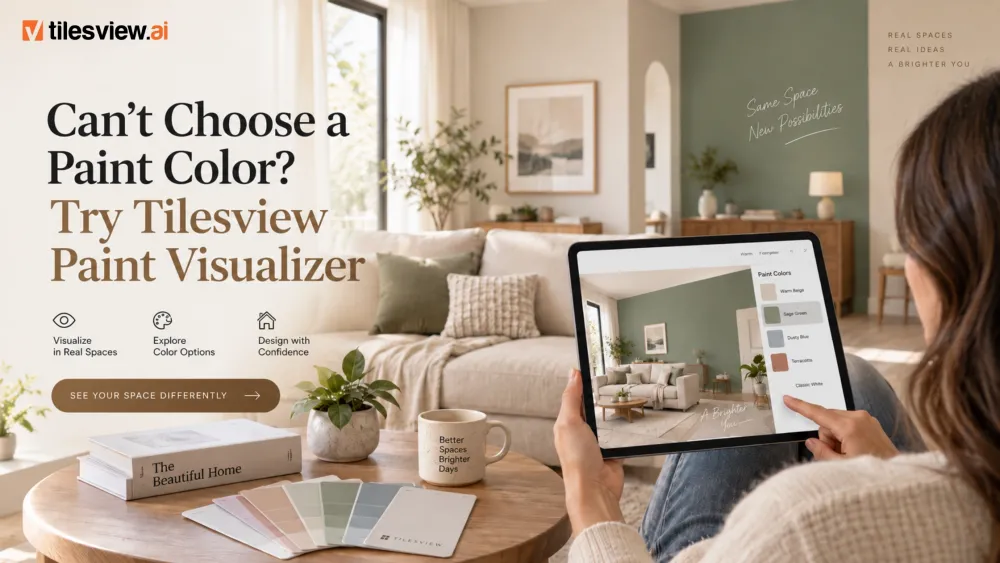
Choosing a paint color sounds simple, until you’re comparing dozens of nearly identical shades and wondering which one will actually look good on your walls.
A color that looks perfect on a small sample card can feel completely different once it covers an entire room. Lighting, furniture, flooring, room size, and surrounding colors can all affect how a shade appears.
That is where a paint color visualizer can make the decision easier.
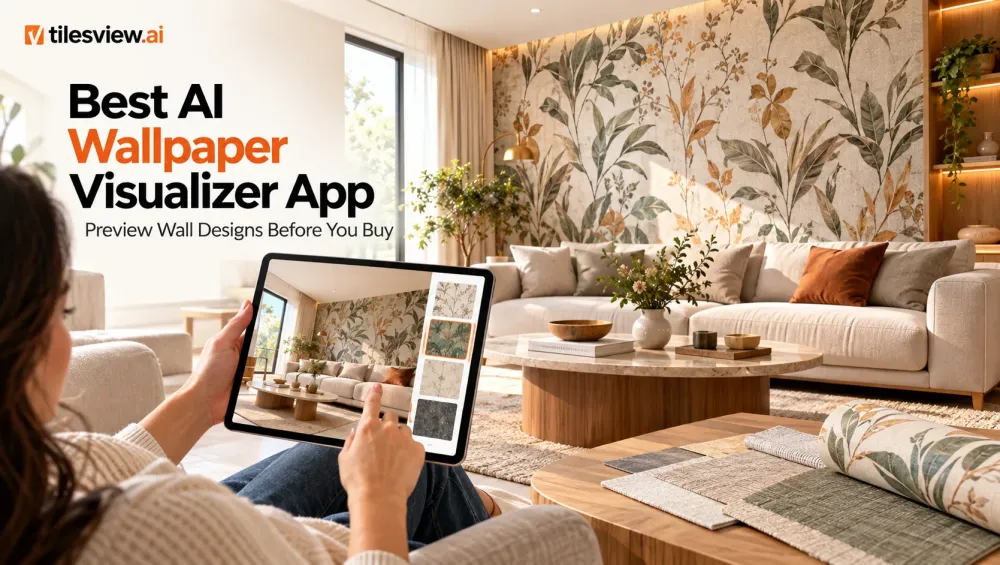
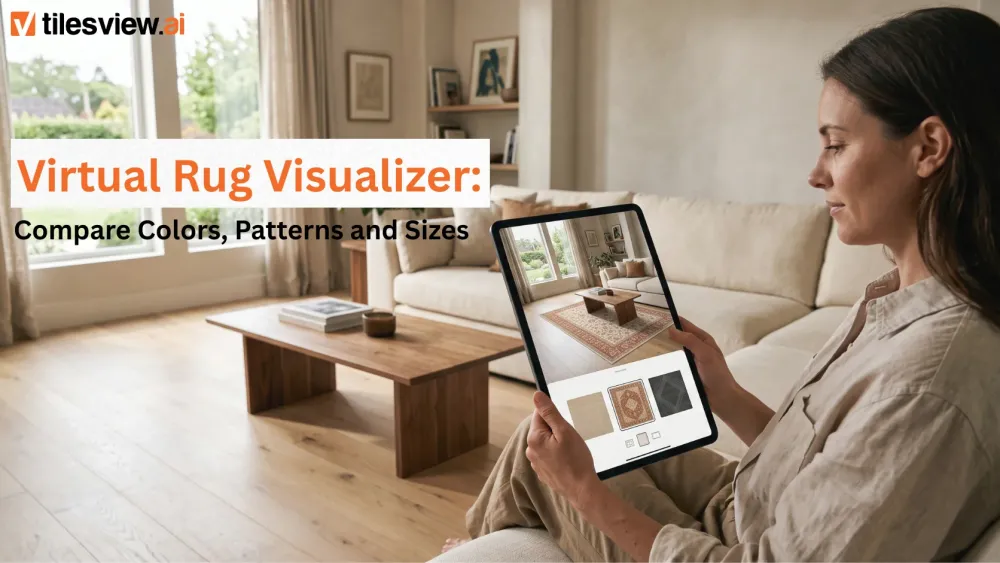
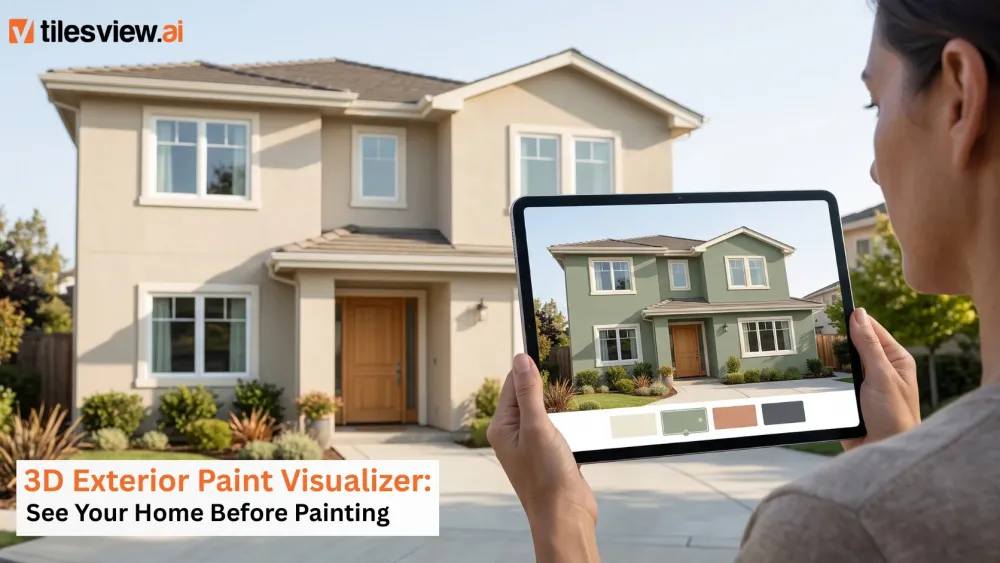
With the Tilesview Paint Visualizer, you can preview paint colors in a room before making a final choice. Instead of relying entirely on imagination, you can visualize how a color could transform the space and compare different options more confidently.
Paint has a major impact on how a room looks and feels.
The problem is that choosing a color usually happens before you can see the finished result.
A small swatch might look warm and inviting in a showroom but appear darker once placed in a room with limited natural light. A neutral shade might complement one type of flooring beautifully but clash with another.
Several factors can influence the final appearance of paint, including:
That uncertainty can lead to hesitation, repeated sampling, or choosing a safe color simply because it feels less risky.
A room paint visualizer helps reduce that uncertainty by making the decision more visual.
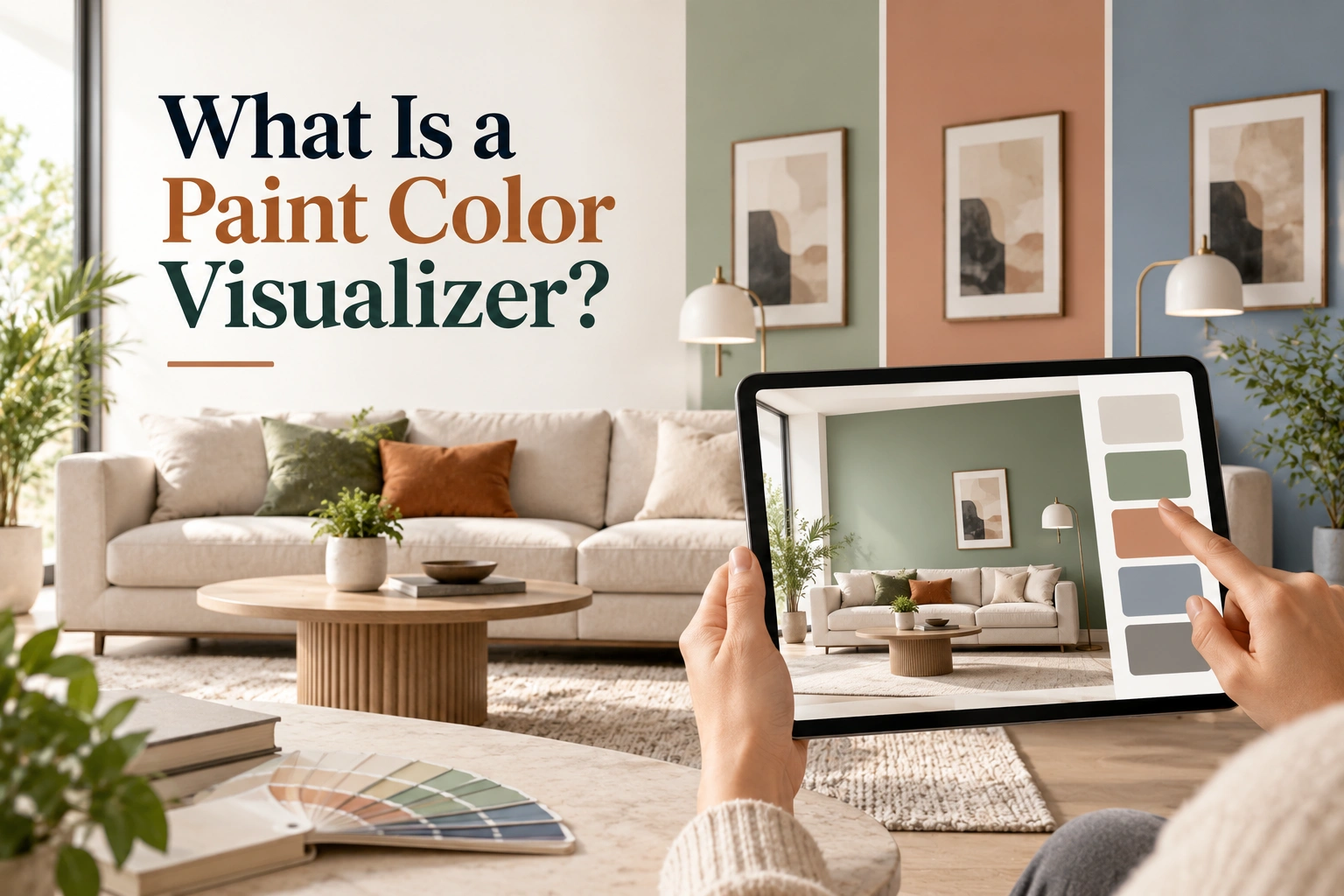
A paint color visualizer is a digital tool that allows you to preview different wall colors inside a room.
Instead of trying to imagine how a shade will look from a paint chip, users can experiment with colors visually.
With an AI-powered visualization experience, the process becomes even more convenient. Users can explore different possibilities and compare colors without physically repainting the room every time they want to test another option.
The goal is simple:
See the color before you commit to it.
The Tilesview Paint Visualizer is designed to make color selection more interactive and intuitive.
Rather than asking customers to make decisions based only on samples, catalogs, or imagination, visualization gives them an opportunity to explore how different colors could look within a room setting.
Try multiple shades and see how changing the wall color affects the overall appearance of the room.
This makes it easier to move beyond abstract color names and start comparing actual visual outcomes.
Choosing between two similar colors can be surprisingly difficult.
Should you go with the warmer beige or the cooler neutral?
Would a deep green make the room feel elegant or too dark?
Visualization makes side-by-side decision-making easier because users can explore alternatives before making a purchase.
Wall color rarely exists in isolation.
The right shade should work with the flooring, furniture, décor, tiles, and other finishes already in the room.
Because Tilesview focuses on interior visualization, users can think about the room as a complete design environment rather than treating paint as a standalone decision.
This can be especially useful when coordinating wall colors with:
Traditional paint samples are useful, but they have limitations.
A color sample only shows a very small portion of what the final wall will look like.
When that same color is applied across a large surface, its visual impact becomes much stronger.
This is why a shade that appears subtle on a sample can feel surprisingly intense once painted across an entire room.
A wall paint visualizer gives users a larger visual context.
Instead of asking:
“Do I like this color?”
You can start asking:
“Do I like this color in this room?”
That is a much more useful question.
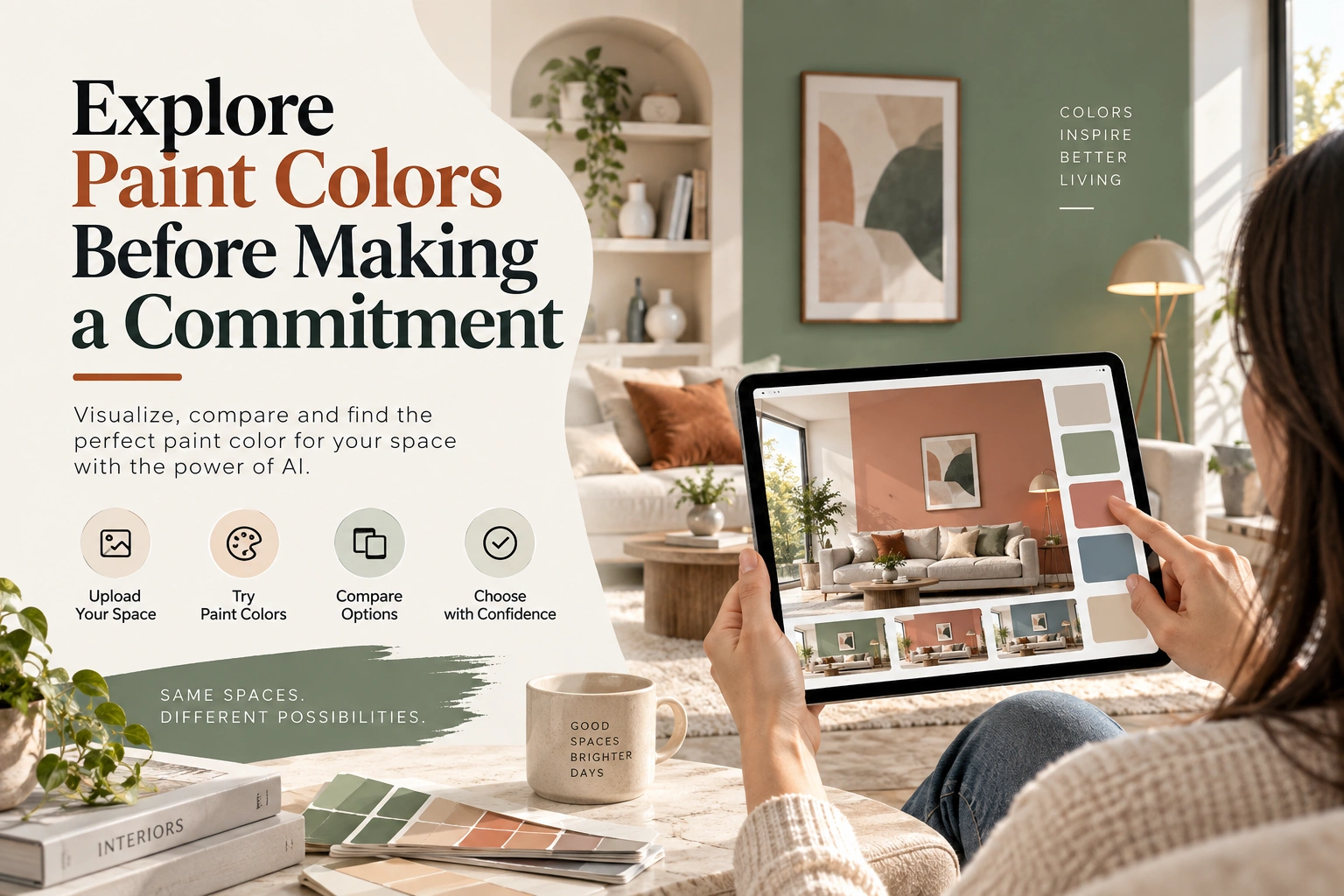
One of the biggest advantages of visualization is freedom to experiment.
Want to see what the room looks like with a bold accent wall?
Try it.
Wondering whether a warmer neutral would complement your flooring?
Compare it.
Considering an entirely different color palette?
Explore multiple possibilities before making a final decision.
Digital visualization helps turn paint selection into an interactive design process instead of a guessing exercise.
For homeowners, choosing paint is often part of a larger renovation or interior-design project.
You may already be making decisions about flooring, furniture, tiles, lighting, cabinetry, and décor.
Visualization can help bring those decisions together.
Instead of selecting each product independently, you can think about how the overall space will look once different surfaces and colors interact.
That can make planning a living room, bedroom, kitchen, bathroom, or other interior space feel considerably more manageable.
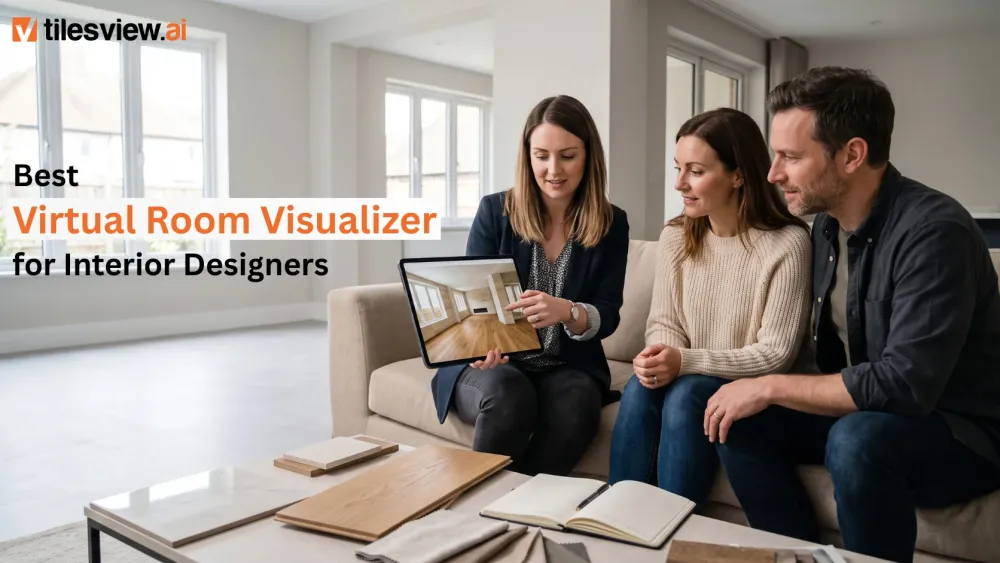
Visualization is also valuable for design professionals.
Explaining color concepts to clients can be challenging because people interpret samples, mood boards, and descriptions differently.
A visual representation gives clients something more concrete to react to.
Rather than saying:
“This warm neutral should work well with the flooring,”
designers can help clients visualize the combination.
That can make design discussions clearer and potentially reduce uncertainty during the approval process.
Paint visualization is not only useful for consumers.
For paint manufacturers, retailers, distributors, and home-improvement businesses, visualization can help transform a traditional product catalog into a more interactive buying experience.
Customers browsing online often face one major challenge:
They can see the product, but they cannot easily imagine the result.
A visualization experience helps bridge that gap.
Instead of simply displaying individual paint shades, businesses can help customers understand how those colors may look when applied to an interior environment.
This can support a more engaging digital customer journey from inspiration to product consideration.
Interior products are highly visual.
Customers do not buy tiles, flooring, paint, or décor simply because of technical specifications. They also want to understand how those products will affect the appearance of a space.
AI-powered room visualization makes that easier.
Instead of relying exclusively on static product photographs, users can interact with different design possibilities digitally.
For manufacturers and retailers, this creates an opportunity to offer customers a more immersive experience during the research and consideration stages.
Tilesview is designed around this broader idea: helping customers visualize interior products more clearly before making decisions.
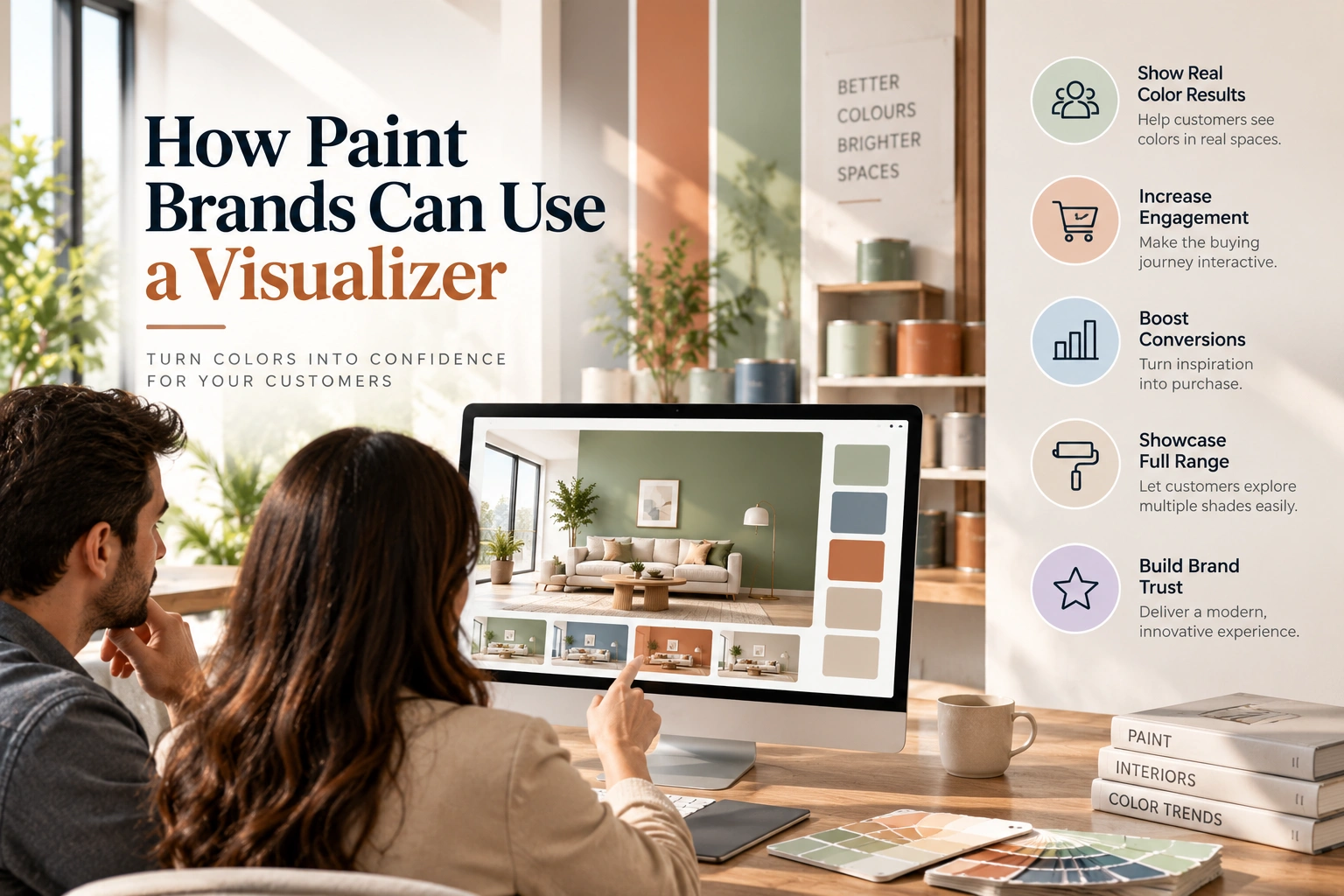
A paint visualizer can become part of several stages of the customer journey.
Paint companies can integrate visualization into their digital experience to help customers explore colors while browsing products.
For example, customers could:
Instead of simply presenting a color catalog, businesses can offer a more interactive product-discovery experience.
Physical showrooms remain important in the interior-products industry, but customers increasingly begin their research online.
That means digital platforms need to do more than display product images.
An effective digital showroom should help users answer questions such as:
Visualization helps answer these questions visually.
That makes the website more than a catalog—it becomes part of the decision-making process.
Choosing a paint color does not have to depend entirely on guesswork.
A paint visualizer allows you to explore different possibilities, compare colors, and understand how a shade may affect the appearance of an entire room before making a final decision.
Whether you are a homeowner planning your next renovation, a designer presenting ideas to clients, or a paint brand looking to improve the digital buying experience, visualization
can make color selection more intuitive.
Stop imagining how the color might look. Start visualizing it.
Explore the Tilesview Paint Visualizer and make your next color decision with greater confidence.

Anand Bhoraniya is a technology entrepreneur and visualization innovator at Tilesview, specializing in AI-powered room visualization software for tile, flooring, paint, and wall covering brands. He regularly shares insights on AI visualization trends, virtual showroom experiences, personalized design technology, warm minimalist interiors, and photorealistic room design solutions.
Get the latest insights on room visualizer, interior design trends, and product updates delivered to your inbox.
No spam. Unsubscribe anytime.