Choosing the right material for cabinets and wardrobes is one of the most important decisions in interior design. From woodgrain laminates and matte finishes to glossy surfaces and contemporary textures, every material influences how a space looks and feels.
But there's one challenge: It's difficult to imagine how a material sample will look on a finished cabinet or wardrobe.
A laminate that looks beautiful in a catalog may appear completely different when applied to a full-height wardrobe. Similarly, a cabinet finish that looks appealing in a showroom may not complement the surrounding interior.
This is where an app to visualize cabinet and wardrobe materials changes the experience.
With digital material visualization technology, customers can explore different finishes, colors, and textures on cabinets and wardrobes before making a purchase decision.
For furniture manufacturers, laminate brands, and interior retailers, this creates an opportunity to make material selection more interactive, engaging, and confident.
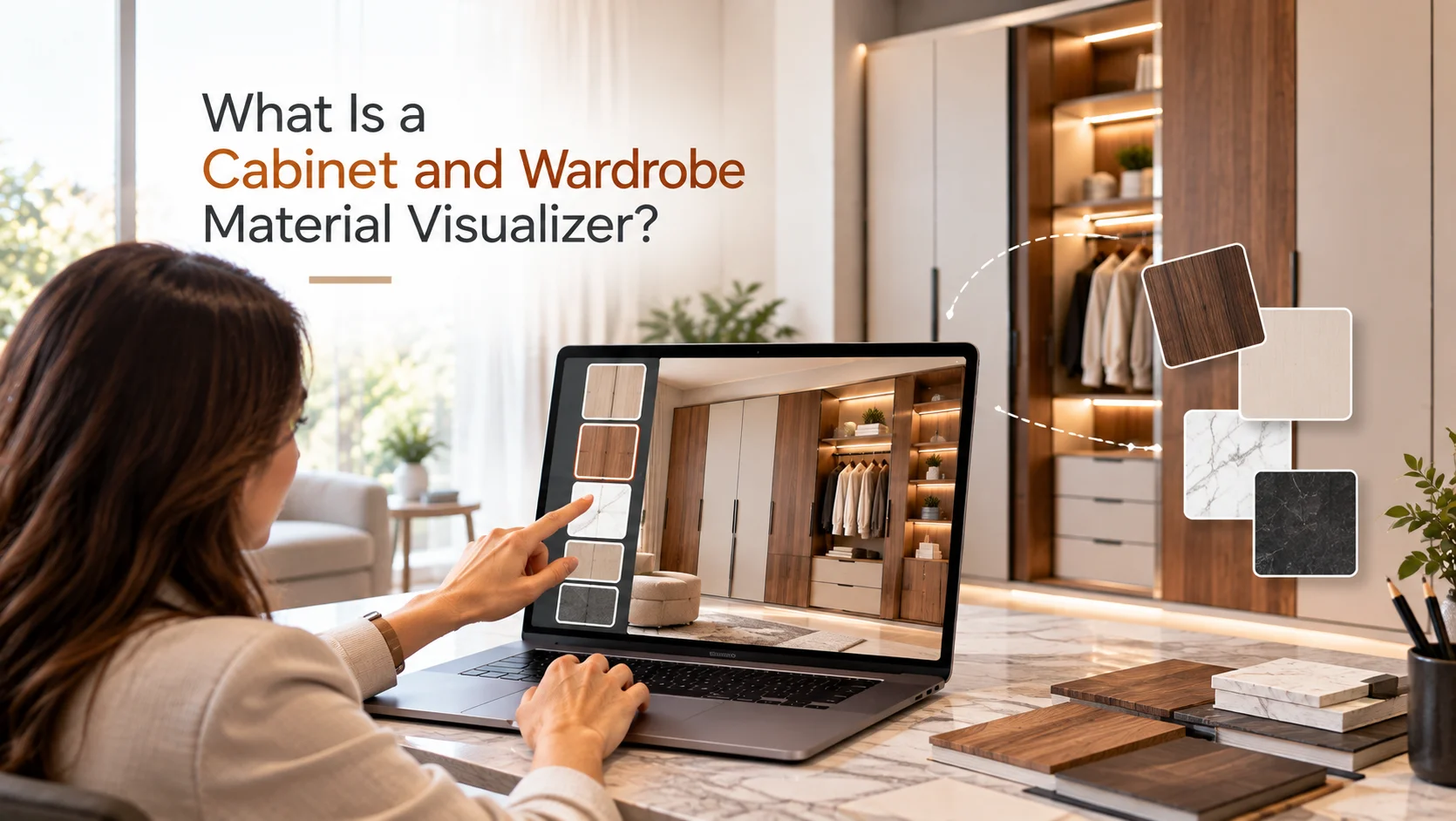
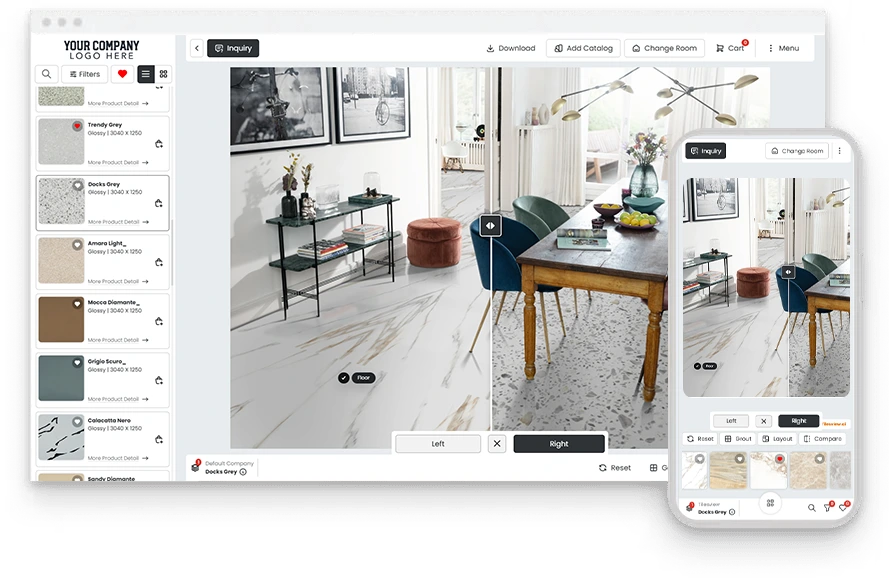
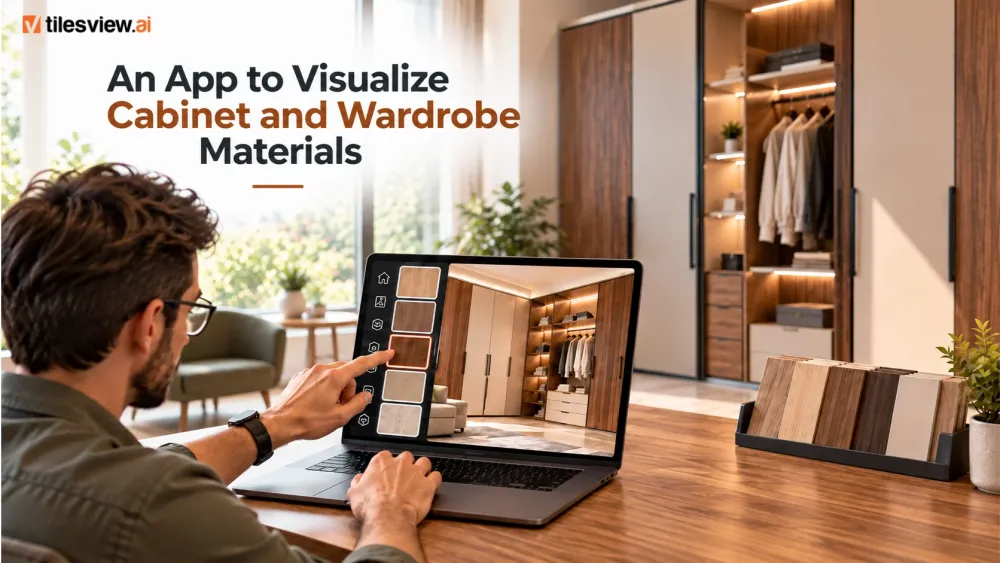
A cabinet and wardrobe material visualizer is a digital tool that allows users to preview different surface materials on furniture designs or within interior environments.
Instead of relying entirely on small physical samples, customers can explore how different materials might appear on larger surfaces.
Depending on the visualization platform and its capabilities, users may be able to:
For businesses, a cabinet material visualizer helps bridge the gap between browsing a product catalog and choosing a final finish.
Furniture and interior material selection has traditionally depended on physical catalogs, laminate sample books, showroom displays, and design references.
While these methods remain valuable, they have limitations.
A small laminate sample cannot always communicate how its pattern, texture, or color will appear across a large wardrobe or cabinet surface.
When customers explore multiple material options, remembering how each finish looks becomes difficult.
Interior designers and furniture retailers may need several consultations to finalize cabinet colors, wardrobe finishes, and material combinations.
Today's customers increasingly expect digital experiences that help them understand products before purchasing.
A wardrobe material visualizer can help address these challenges by allowing customers to explore finishes in a more realistic design context.
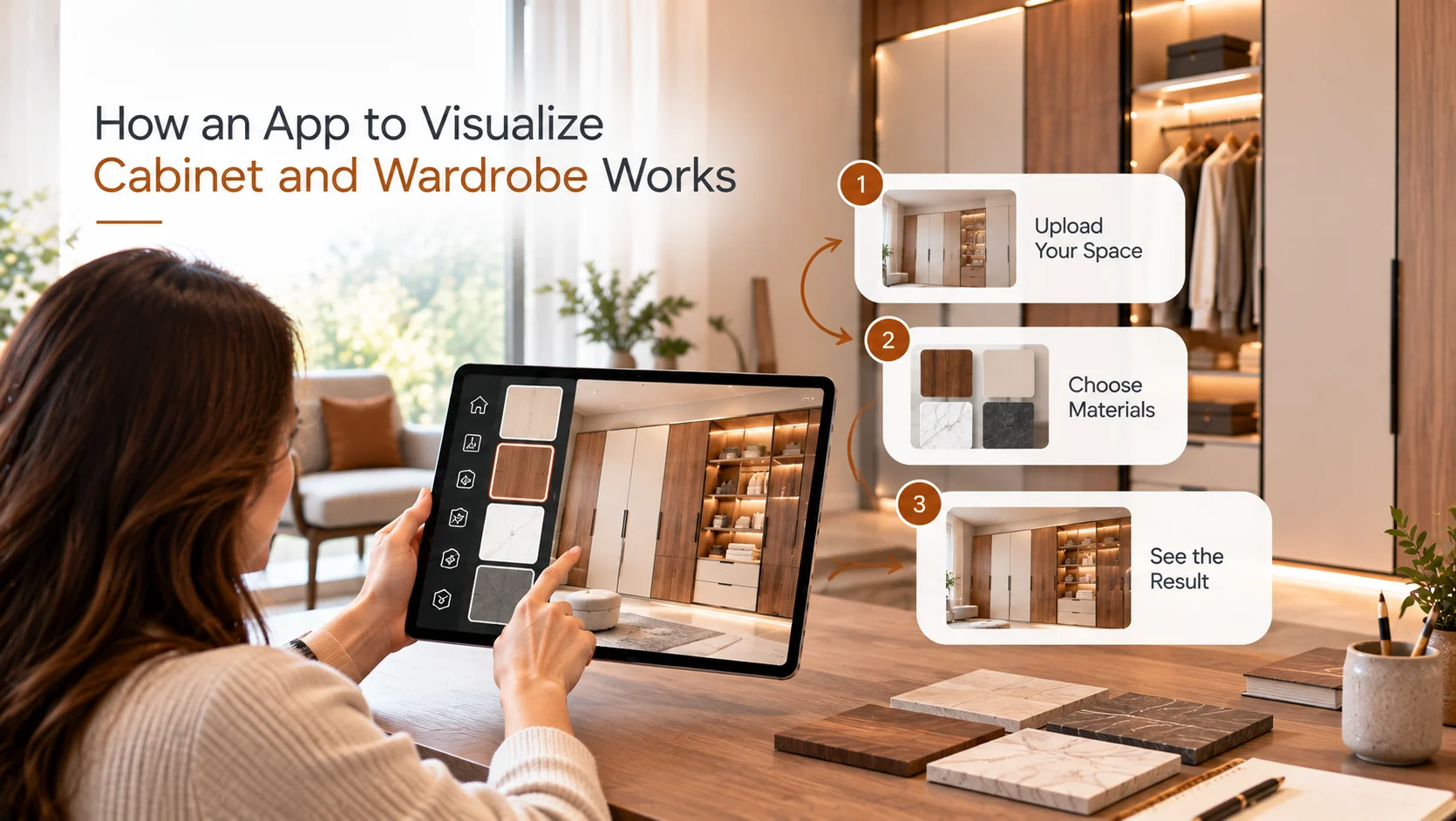
The visualization process can be simple and intuitive, depending on the platform.
Start by selecting a furniture design, interior scene, or supported visualization environment.
This could include a modular kitchen cabinet, sliding wardrobe, hinged wardrobe, or storage unit.
Browse the available surface material collection.
Popular options include:
Apply or select a material to see how it appears on the furniture surface.
This helps customers understand how a particular finish might influence the overall design.
Explore different color palettes and finish combinations to identify options that complement the surrounding space.
Once customers identify their preferred materials, they can discuss availability, specifications, pricing, and installation requirements with the supplier or retailer.
The advantage is simple: customers can explore the visual possibilities before committing to a material.
A material visualization app is more than a digital design tool. It can also support product discovery, customer engagement, and sales conversations.
Visualizing a finish on a larger surface gives customers additional context beyond a physical sample.
This can help reduce uncertainty during material selection.
Interactive visualization encourages customers to explore different materials rather than simply browsing a static catalog.
For laminate brands and furniture retailers, this provides a more immersive way to present product collections.
Physical showrooms have limited display space.
Digital visualization can complement physical displays by helping brands present a broader range of finishes without building a separate full-size installation for every material.
Design professionals often need to communicate material choices to clients.
A wardrobe or cabinet material visualizer can make those conversations clearer by showing finishes in context.
Customers may discover materials online but complete their purchases through distributors, dealers, or showrooms.
A visualization experience can help connect these stages of the buying journey by allowing customers to shortlist finishes before speaking with a sales representative.
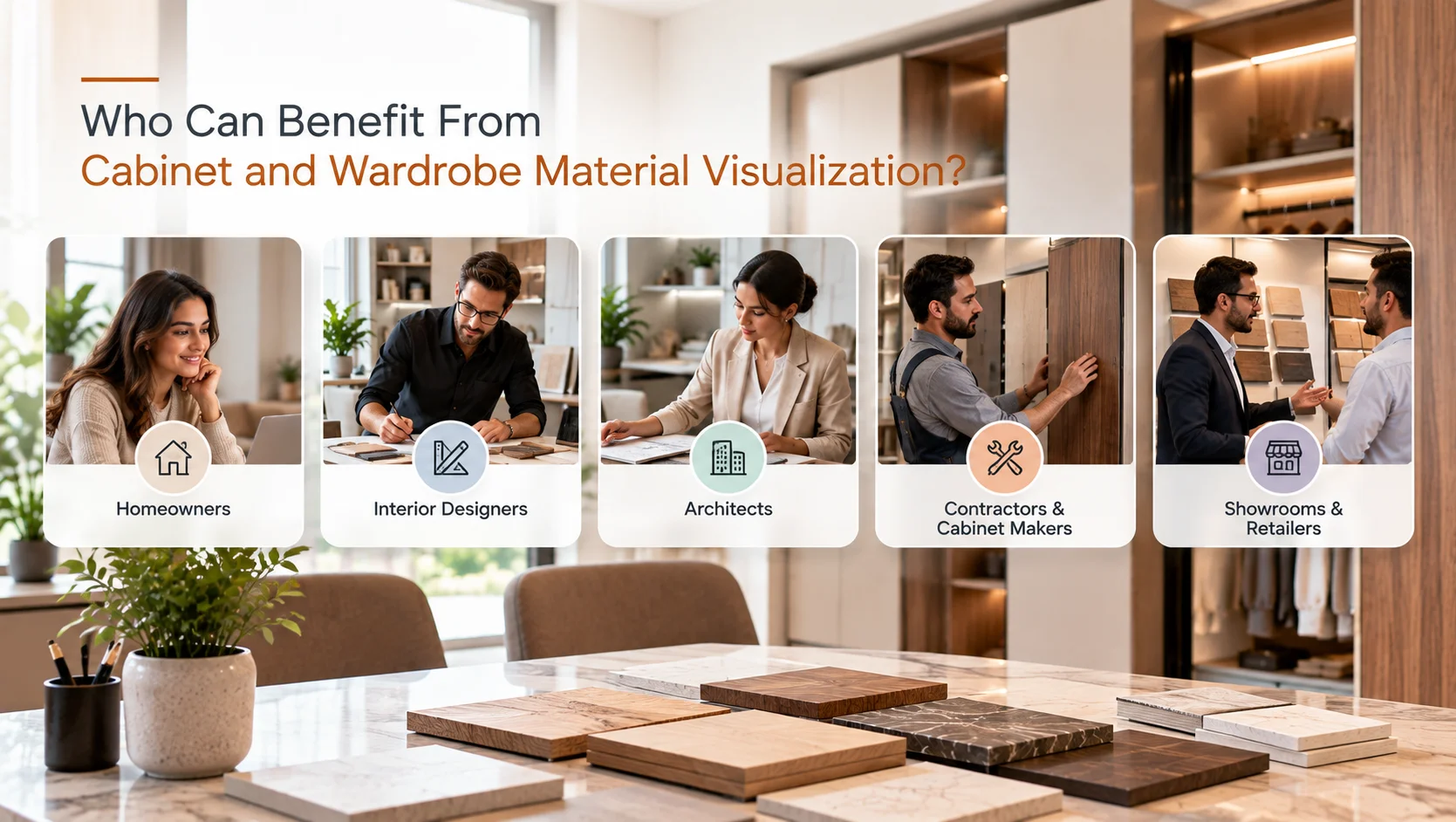
Laminate manufacturers can use visualization technology to help customers explore woodgrains, solid colors, decorative patterns, and premium surface finishes.
It provides an additional way to present product collections beyond traditional catalogs.
Design professionals can use visual previews to explain material concepts and help clients understand proposed combinations.
Retailers can incorporate digital visualization into product consultations to create a more interactive showroom experience.
Distributors can use visualization tools to present material collections to retailers, designers, and prospective buyers in a more compelling format.
Tilesview is an AI-powered visualization platform focused on helping businesses make surface and interior material exploration more visual and interactive.
For brands exploring digital experiences for cabinets, wardrobes, laminates, and decorative materials, visualization technology offers an opportunity to present product finishes in a more engaging way.
The objective is to make it easier for customers to discover materials, understand design possibilities, and progress toward a purchase decision.
Businesses evaluating cabinet and wardrobe visualization should consider important requirements such as material catalog integration, supported furniture surfaces, image quality, mobile usability, and the ability to connect the experience with sales inquiries.
To explore whether Tilesview can support your specific cabinet, wardrobe, or laminate visualization requirements, connect with the Tilesview team for a product demonstration.
Try Free Cabinet and Wardrobe Visualizer
As furniture customization becomes more important, the way customers select materials is evolving.
Traditional catalogs and physical samples will continue to play an important role, but digital visualization adds another layer of convenience and confidence.
For manufacturers, distributors, and retailers, an app to visualize cabinet and wardrobe materials can create a more engaging buying experience while helping customers explore products in greater detail.
The future of material selection is not just about showing customers what is available.
It's about helping them visualize what is possible.
Help customers explore finishes, compare design possibilities, and discover materials through a more visual experience.
Discover Tilesview's AI-powered visualization solutions and speak with our team about your business requirements.

Anand Bhoraniya is a technology entrepreneur and visualization innovator at Tilesview, specializing in AI-powered room visualization software for tile, flooring, paint, and wall covering brands. He regularly shares insights on AI visualization trends, virtual showroom experiences, personalized design technology, warm minimalist interiors, and photorealistic room design solutions.
Get the latest insights on room visualizer, interior design trends, and product updates delivered to your inbox.
No spam. Unsubscribe anytime.